Difficulty
Four settings decide how well the CPU plays. Everything here is about that one idea; the rest of the match settings are on Modes & Settings.
| Difficulty | What it changes |
|---|---|
| Easy (default) | The CPU is weakest, and it calls Koi-Koi at random (50% of the time while it has 3 or more cards). Hand cards that can capture glow, and while you drag a card, field cards of the same month glow. |
| Hard | A stronger CPU. It needs at least 4 cards in hand before it will gamble on Koi-Koi, and it banks when you are already on the board. No glow hints. |
| Master | A strong CPU. It needs at least 3 cards in hand before gambling, and it banks instead of continuing when a card would complete one of your special combinations. A turn timer applies: 15 or 30 seconds, set in Options. If it runs out, a random card is played for you. |
| DEUS SUPREMUS | The 100% accuracy setting, against Entity 13. It uses the Master decision logic with stronger card evaluation, always plays under Yakuza rules, locks the ruleset selector, and has a fixed 15-second turn timer. |
The CPU's Koi-Koi decision compares the banked award now with the projected award if it continues. It continues only when the projected award clearly beats banking. Once its multiplier is capped at ×6, it has no more streak upside, so it banks.
Difficulty curve
The one number the CPU carries per opponent is how often it plays its best move; below that it blunders on purpose. That number climbs with the opponent and jumps with the difficulty, and the jump is the bigger of the two - Easy against opponent 12 is still weaker than Master against opponent 01. Which is why the chart is one column per opponent, not one rising curve.
DEUS SUPREMUS is not the thirteenth rung but a mode of his own: 100% in every band, with Yakuza rules, a fixed 15-second timer and the mono atlas. The timer and the ruleset stay off the axis, because the timer is your clock and DEUS forces Yakuza scoring - neither moves his accuracy. See Errata & Known Issues for what the rulesets do change.
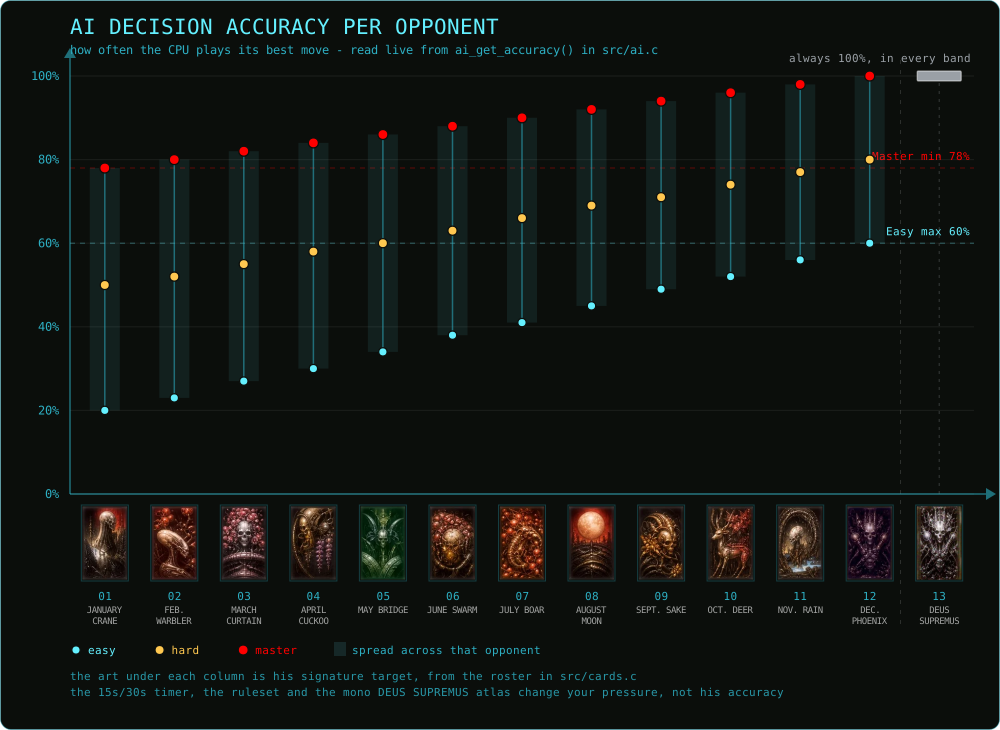
| # | Opponent | Signature target | Priority yaku | Easy | Hard | Master |
|---|---|---|---|---|---|---|
| 01 | JANUARY CRANE |  01-B Crane |
Brights | 20% | 50% | 78% |
| 02 | FEB. WARBLER |  02-A Warbler |
Ribbons | 23% | 52% | 80% |
| 03 | MARCH CURTAIN |  03-B Curtain |
Brights | 27% | 55% | 82% |
| 04 | APRIL CUCKOO | 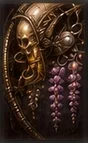 04-A Cuckoo |
Plains/Kasu | 30% | 58% | 84% |
| 05 | MAY BRIDGE | 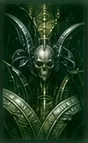 05-A Bridge |
Animals | 34% | 60% | 86% |
| 06 | JUNE SWARM | 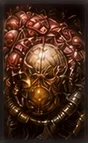 06-A Butterflies |
Animals | 38% | 63% | 88% |
| 07 | JULY BOAR | 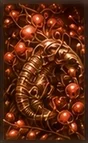 07-A Boar |
Ino-Shika-Cho | 41% | 66% | 90% |
| 08 | AUGUST MOON | 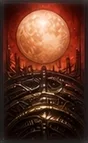 08-B Moon |
Brights | 45% | 69% | 92% |
| 09 | SEPT. SAKE | 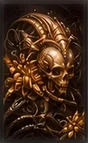 09-A Sake Cup |
Animals | 49% | 71% | 94% |
| 10 | OCT. DEER | 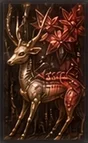 10-A Deer |
Ino-Shika-Cho | 52% | 74% | 96% |
| 11 | NOV. RAIN |  11-B Rainman |
Ribbons | 56% | 77% | 98% |
| 12 | DEC. PHOENIX | 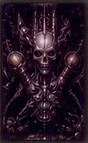 12-B Phoenix |
Brights | 60% | 80% | 100% |
| 13 | ENTITY 13 // DEUS SUPREMUS (dossier) | 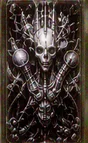 12-B Phoenix |
Brights | - | - | 100% always |
| Ramp, 01 to 12 | +40 | +30 | +22 |
Easy, Hard and Master are not picked against DEUS SUPREMUS: he overrides the band and plays optimally on every turn.
Where else difficulty shows up
- The Master turn timer is chosen in Options, and Rounds decide how long a match runs.
- How many rounds a win must last to earn a clearance coin depends on the difficulty you played: Campaign and unlocks.
- DEUS SUPREMUS is normally gated until M-12 is open. His current state is on Errata & Known Issues.